

Cyprus taxi industry standards for safe, reliable travel
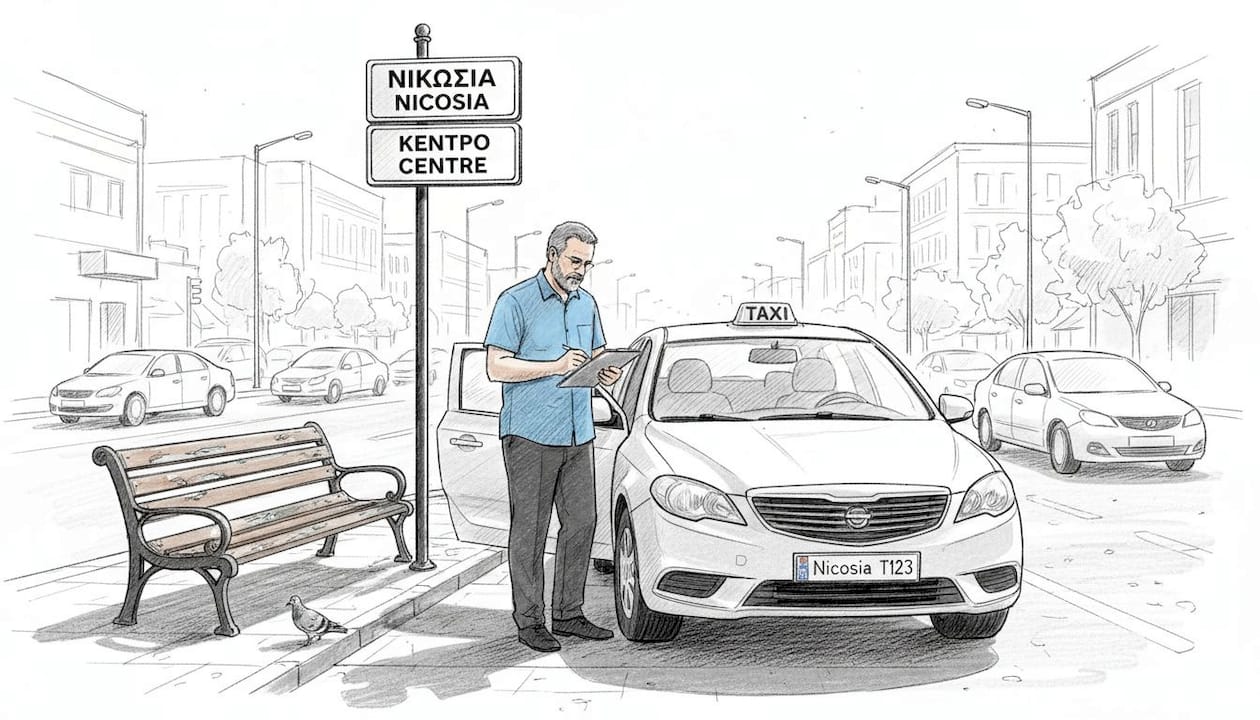
Cyprus taxi industry standards for safe, reliable travel
Getting into an unlicensed taxi in Cyprus can cost you more than you bargained for, quite literally. Overcharging, uninsured vehicles, and drivers with no formal training are all too common when travellers or businesses rely on unregulated services. Fortunately, major reforms are reshaping the Cyprus taxi industry by April 2026, introducing mandatory standards that protect every passenger. This guide explains what those standards mean for you, how to spot a compliant service, and why choosing a licensed provider makes every journey safer and more predictable.
Table of Contents
- Why industry standards matter for taxi services in Cyprus
- What are the core standards for Cyprus taxi services?
- Official taxi fares and how to avoid overcharging
- Safety benchmarks and professional conduct
- Booking compliant taxis for business, airport transfers, and events
- Choose trusted taxi providers for your next journey
- Frequently asked questions
Key Takeaways
| Point | Details |
|---|---|
| Choose licensed taxis | Using regulated taxis in Cyprus guarantees transparent fares, safety, and reliability. |
| Understand fare structures | Official rates vary by location, time, and service—fixed prices help avoid surprises for airport and event travel. |
| Prioritise safety standards | Taxis must pass inspections, enforce seatbelts, and employ trained, insured drivers. |
| Benefit from 2026 reforms | New laws mandate digital oversight, payment options, and professional conduct enhancing travel for all. |
| Book with reputable providers | For business, airport or special events, always choose firms that follow industry standards for a seamless experience. |
Why industry standards matter for taxi services in Cyprus
The consequences of using an unregulated taxi go beyond a bad experience. Unlicensed operators, often called “pirate taxis,” carry no proper insurance, pay no taxes, and face zero accountability if something goes wrong. For airport travellers and event guests, this is a genuine risk that can derail an otherwise well-planned trip.
Industry standards exist precisely to eliminate these risks. They establish fair pricing structures, mandatory vehicle safety checks, and clear consumer rights. When a taxi operator is licensed and compliant, you have legal recourse if something goes wrong, and that matters enormously for corporate clients managing employee travel.
The reforms targeting Cyprus taxi sector operations are a direct response to widespread complaints about pirate taxis. As one transport authority statement made clear:
“Pirate taxis are a major risk. They operate with no taxes, no insurance, and no safety standards. The new reforms target this directly through fines and digital tracking.”
Understanding the benefits of professional taxi services becomes obvious once you see what the alternative looks like. Here is what unregulated taxis typically get wrong:
- No valid insurance in the event of an accident
- No taximeter, meaning fares are arbitrary
- Vehicles that have not passed mandatory safety inspections
- Drivers with no professional training or background checks
- No receipt or paper trail for corporate expense claims
Licensed services eliminate every one of these problems. The reforms coming into full effect in 2026 make compliance non-negotiable.
What are the core standards for Cyprus taxi services?
The new regulatory framework sets out clear, enforceable requirements for every taxi operating in Cyprus. These are not suggestions. They are legal obligations that operators must meet to retain their licences. Understanding them helps you verify a service before you book.
Here is a step-by-step breakdown of the mandatory requirements now being enforced under taxi regulations in Cyprus:
- District-based licensing issued by the Road Transport Department. Every taxi must hold a valid licence specific to its operating district.
- Mandatory taximeters fitted and calibrated to official standards. No taximeter means no legal operation.
- Universal card payment acceptance. All taxis must accept card payments, ending the “cash only” excuse used by many pirate operators.
- Comprehensive vehicle insurance covering passengers, third parties, and the driver.
- Regular vehicle safety inspections to confirm roadworthiness before each operating period.
- Special licences for hotel shuttles, rural taxi routes, and app-based platforms. Each category has its own set of requirements.
- Continuous professional driver training covering technology use, passenger safety, and service quality. This is now becoming law rather than optional best practice.
- State digital oversight platform enabling real-time monitoring of licensed taxis across all districts.
Foreign residents can also obtain a Cyprus taxi driver licence. After the required period of residence, foreign driving licences are convertible through the Road Transport Department, opening the profession to a wider pool of qualified drivers.
Pro Tip: Before you get into any taxi in Cyprus, check for a visible licence displayed inside the vehicle and confirm the taximeter is switched on. If either is missing, find another cab.
Official taxi fares and how to avoid overcharging
Fare transparency is one of the biggest wins for passengers under the new standards. Official rates are regulated, and operators who deviate from them face serious penalties. Knowing the structure helps you spot when something is off.
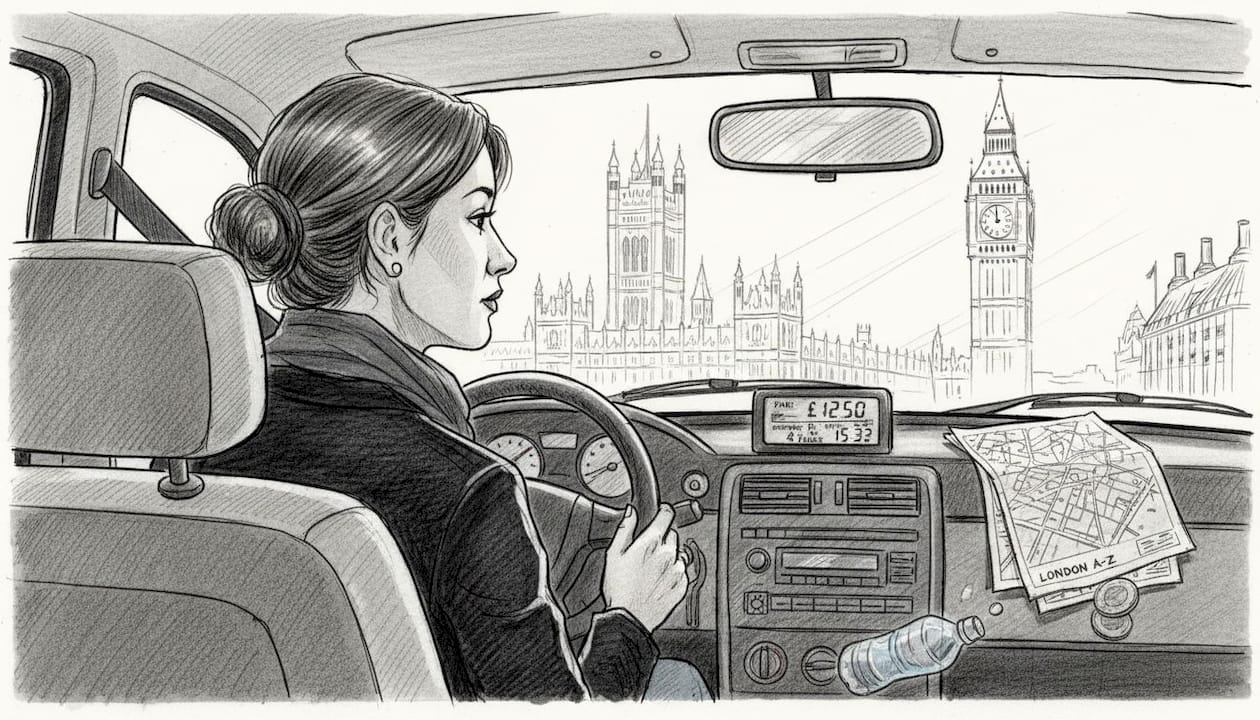
Fares in Cyprus follow a day and night structure. Official rates for Paphos, for example, show a daytime initial charge of €3.42, a per-kilometre rate of €0.72, and a luggage surcharge of €1.20. A typical city transfer runs between €14 and €17. Night rates are higher across the board, so always confirm which tariff applies to your journey.
Here is a sample fare comparison to give you a practical sense of what to expect:
| Route | Approx. day fare | Approx. night fare |
|---|---|---|
| Larnaca Airport to city centre | €10 to €15 | €15 to €20 |
| Larnaca to Ayia Napa | €35 to €45 | €45 to €55 |
| Paphos city transfer | €14 to €17 | €18 to €22 |
| Larnaca to Limassol | €55 to €70 | €65 to €80 |
Note: Fares are approximate and subject to official tariff updates. Always confirm with your provider.
For businesses, fare transparency is not just a convenience. It is essential for accurate expense reporting and budget management. A corporate account with a licensed provider means consistent, documented pricing every time.
To protect yourself from overcharging, follow these steps:
- Confirm the taximeter is running from the moment you depart
- Ask for a printed or digital receipt at the end of every journey
- For airport pickups, agree the fare in advance or use a fixed-price booking
- Check whether your journey falls under day or night tariff before you travel
- Compare taxis versus shuttles for group travel, as shuttles can offer better value for larger parties
Pro Tip: Pre-booked fixed-price transfers are the smartest choice for airports, weddings, and corporate events. They remove all pricing uncertainty and protect you from surge demand during peak travel periods.
Safety benchmarks and professional conduct
Safety is not just about the vehicle. It covers driver behaviour, passenger rights, and the systems that hold operators accountable. Cyprus is actually performing well on some of these fronts already.
Cyprus car drivers have a seatbelt usage rate of 98.1%, one of the highest in Europe. This sets a strong baseline for taxi safety culture, and the new regulations reinforce it by making seatbelt compliance a formal requirement for all licensed operators.
Beyond seatbelts, licensed taxis must meet the following conduct and safety benchmarks:
| Standard | Licensed taxi | Unlicensed (pirate) taxi |
|---|---|---|
| Vehicle inspection | Mandatory, regular | None |
| Insurance | Full passenger cover | None or minimal |
| Driver training | Continuous, certified | None |
| Seatbelt compliance | Required by law | Unverified |
| Digital oversight | State platform monitored | No oversight |
| Disability assistance | Required | Not guaranteed |
| Luggage assistance | Expected | Variable |
Drivers operating under the new standards must present themselves professionally, assist passengers with luggage, and accommodate passengers with disabilities. This is particularly relevant for premium taxi services used at weddings and corporate functions, where presentation and reliability are non-negotiable.
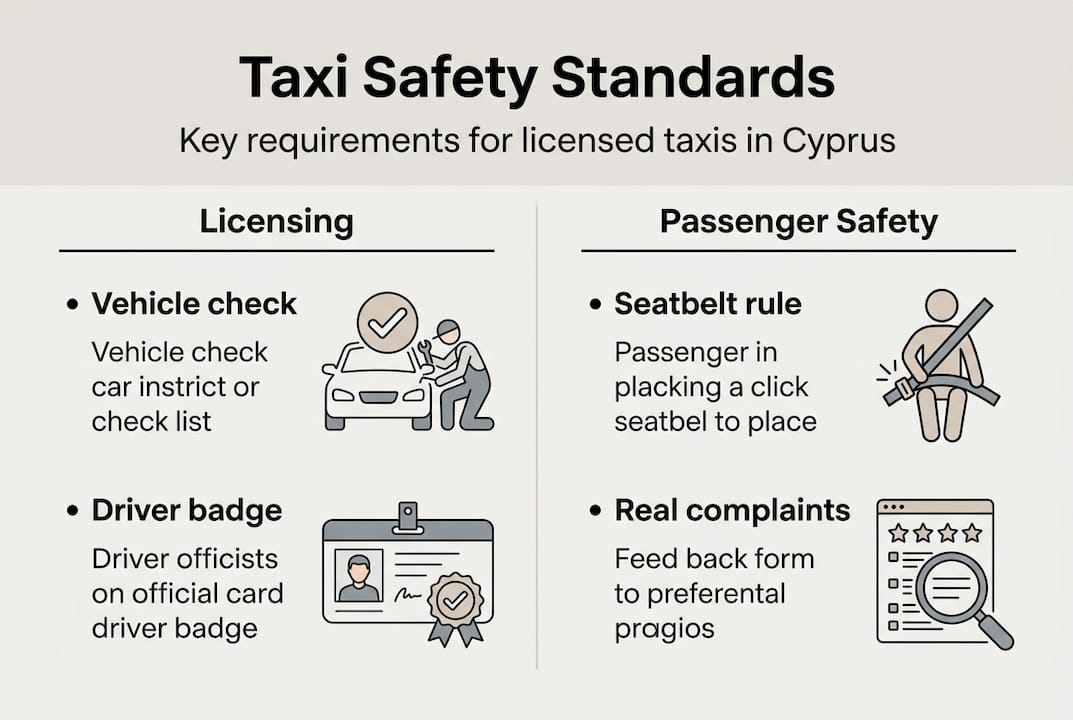
The state digital oversight platform is a significant step forward. It enables real-time performance monitoring, complaint tracking, and licence verification. For the first time, passengers have a transparent system they can reference if a driver falls short.
Booking compliant taxis for business, airport transfers, and events
Knowing the standards is one thing. Applying them when you actually need a taxi is another. Here is a practical workflow for securing a compliant, reliable service every time.
- Search for licensed providers in your district. Use verified platforms or directories that confirm operator licensing status.
- Verify the licence and equipment. Ask the provider directly whether their vehicles carry taximeters and accept card payments. A reputable operator will confirm this without hesitation.
- Compare fixed-price options for your specific journey. For airports and events, experts strongly recommend booking licensed, fixed-price services to guarantee safety and reliability.
- Confirm driver credentials. Ask whether drivers have completed the mandatory professional training programme.
- Book in advance, especially for early morning flights, late-night arrivals, or large group events. Last-minute bookings during peak periods increase the risk of encountering unlicensed operators.
- Request documentation for corporate bookings. A compliant provider will supply invoices, receipts, and account management options suited to best services for travel agencies and business clients.
For corporate taxi solutions, the key requirements are consistent pricing, reliable scheduling, and a paper trail for finance teams. A licensed provider with a fixed-rate corporate account delivers all three. For events, group vehicle options and pre-confirmed arrival times are essential. Always ask about vehicle capacity, child seat availability, and whether the driver will wait if your flight is delayed.
Choose trusted taxi providers for your next journey
With Cyprus’s taxi reforms now firmly in motion, the gap between compliant and non-compliant services has never been clearer. Choosing a licensed, standards-adhering provider is not just the safer option. It is the smarter one for your budget, your schedule, and your peace of mind.

At Taxi in Larnaca, every vehicle in our fleet meets the mandatory safety and licensing requirements, and every driver completes professional training. Whether you need a smooth airport transfer, a reliable corporate taxi service for your team, or premium transport for a special occasion, we offer fixed-price bookings with full transparency. Explore our full range of taxi services and book with confidence, knowing your journey is backed by the highest standards in Cyprus.
Frequently asked questions
How can I identify a licensed taxi in Cyprus?
Look for a visible taxi licence displayed inside the vehicle, a functioning taximeter, and the ability to pay by card. These are all mandatory requirements under the 2026 reforms.
Are fixed fares or metered fares better for airport transfers?
Fixed fares are generally the better choice for airports and events, as they remove uncertainty during busy periods. Pre-booked fixed transfers are widely available and particularly popular with tourists and business travellers.
What safety standards are enforced for taxis?
All licensed taxis must pass regular vehicle inspections, carry full passenger insurance, enforce seatbelt use, and ensure drivers complete continuous professional training as required by law.
Can foreign residents get a Cyprus taxi driver licence?
Yes. After the required period of residence, foreign licences are convertible through the Road Transport Department, allowing foreign nationals to qualify as licensed taxi drivers in Cyprus.