

Taxi safety in Cyprus: How to ride securely in 2026
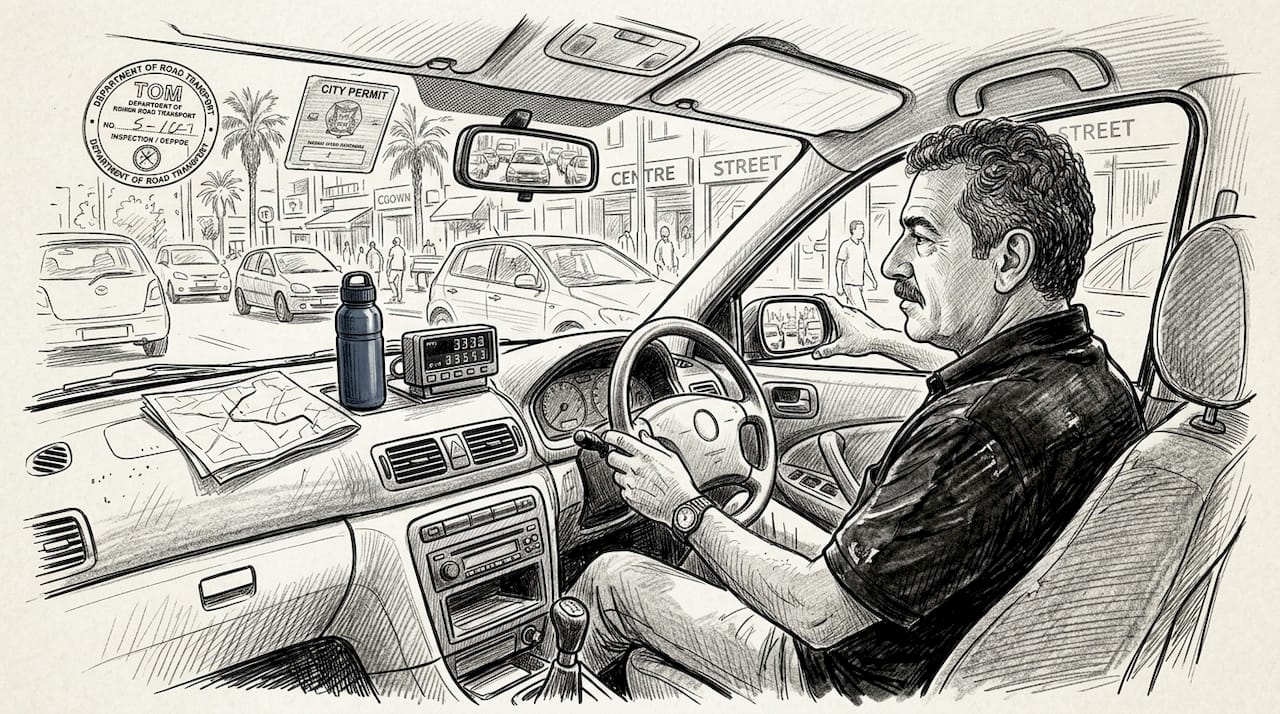
Taxi safety in Cyprus: How to ride securely in 2026
Not every taxi in Cyprus is as safe as it looks. While most visitors assume that any car with a sign on the roof is properly regulated, the reality is more complicated. Illegal ‘pirate’ taxis skip insurance, roadworthiness checks, and tax obligations entirely, putting passengers at serious risk. Authorities have responded with fines reaching €8,250 in recent enforcement operations, and sweeping 2026 reforms are set to reshape the entire sector. This guide walks you through what the law requires, how to spot a compliant taxi, and what changes are coming so you can travel with genuine confidence.
Table of Contents
- Understanding taxi safety standards in Cyprus
- How to recognise a safe and compliant taxi
- Common safety risks and how to avoid them
- Upcoming 2026 reforms: What will change for passengers and drivers
- A closer look: Why taxi safety is everyone’s responsibility
- Book a taxi with confidence in Cyprus
- Frequently asked questions
Key Takeaways
| Point | Details |
|---|---|
| Verify taxi credentials | Always check for visible licences and TOM stickers before your journey. |
| Avoid pirate taxis | Unlicensed taxis lack safety checks and expose you to fines and risks. |
| Use digital tools | Booking taxis via official apps or ranks ensures compliance with the latest standards. |
| Watch for 2026 reforms | New laws and platforms will make it even easier to choose safe, professional drivers. |
Understanding taxi safety standards in Cyprus
With the stakes now clear, let’s break down what sets safe, legal taxis apart in Cyprus.
The legal framework for taxis in Cyprus is more structured than many passengers realise. Professional licences are issued by the Road Transport Department under the Ministry of Transport, Communications and Works. Every legitimate taxi driver must hold this licence and display it visibly inside the vehicle. Without it, the operator is breaking the law, regardless of how professional the car looks.
Vehicle safety is equally regulated. All taxis must pass TOM inspections aligned with EU roadworthiness standards. After a vehicle reaches four years old, these technical checks are mandatory every two years. This ensures brakes, tyres, lighting, and other critical systems meet minimum safety thresholds before a driver can carry passengers.
Unlicensed operators avoid all of this. No inspections, no insurance, no accountability. That is precisely why the government is acting. Here is a summary of what the current legal framework requires:
- A valid professional taxi licence displayed inside the vehicle
- Mandatory TOM technical inspection every two years after year four
- Third-party insurance covering all passengers
- A functioning taximeter and card payment terminal
- Compliance with fare regulations set by the Ministry of Transport
“The upcoming reforms will introduce a digital monitoring platform and mandatory continuous professional training for all licensed taxi drivers, raising the bar significantly for the entire sector.”
For a broader look at how these rules fit into the wider picture, the taxi industry standards in Cyprus are worth reviewing before your next journey. Understanding the framework is the first step toward choosing a safe taxi every time.
How to recognise a safe and compliant taxi
Knowing the standards helps, but how do you put that into practice?
Tourist areas in Larnaca, Limassol, and Paphos are particularly vulnerable to pirate taxi activity. Unofficial drivers often approach passengers outside airports, hotels, and busy restaurants, offering cheaper fares. The savings are not worth the risk. Here is a practical checklist for verifying any taxi before you get in:
- Check for the licence display. A legitimate taxi must show its professional licence inside the vehicle, usually on the dashboard or sun visor.
- Look for the TOM sticker. This confirms the vehicle has passed its most recent technical inspection.
- Confirm the taximeter is present and running. Licensed taxis are required to use a calibrated meter. If the driver quotes a flat price without activating it, treat this as a warning sign.
- Use official booking apps or taxi ranks. Platforms such as Bolt operate within the licensed framework. Booking through an app creates a digital record of your journey.
- Check for a card payment terminal. Regulations now require licensed taxis to accept card payments. A driver who refuses is likely non-compliant.
- Observe the driver’s behaviour before departure. A professional driver will confirm your destination, offer a receipt, and not pressure you to agree on a price before the meter starts.
Passengers, whether tourists, residents, or corporate clients, should use licensed taxis only and verify compliance through official ranks or apps. Understanding checking taxi fares in advance also helps you spot overcharging immediately.
Pro Tip: Screenshot your booking confirmation and note the driver’s licence plate before every journey. If anything goes wrong, you will have the details needed to file a complaint with the Road Transport Department.
Common safety risks and how to avoid them
Spotting legal taxis is one thing, but understanding the real risks helps you make smart choices for each ride.
Pirate taxis represent the most serious structural risk. Because they skip inspections and insurance, a mechanical failure or accident leaves passengers with no legal protection and no compensation route. Fares are often inflated arbitrarily, and there is no recourse if you are overcharged. The government has responded with heavy fines for operators caught running unlicensed vehicles.
Driver behaviour is a separate but equally important concern. Cyprus recorded a road fatality rate of 44 per million in 2024, placing it 14th in the EU and close to the European average. Urban speeding, mobile phone use while driving, and failure to wear seatbelts remain the primary contributing factors to serious incidents.
The table below compares the key risks associated with licensed versus unlicensed taxis:
| Risk factor | Licensed taxi | Pirate taxi |
|---|---|---|
| Vehicle inspection | Mandatory every 2 years | None |
| Passenger insurance | Required by law | Absent |
| Fare regulation | Metered and regulated | Arbitrary |
| Driver accountability | Traceable via licence | Anonymous |
| Legal recourse if injured | Full | None |
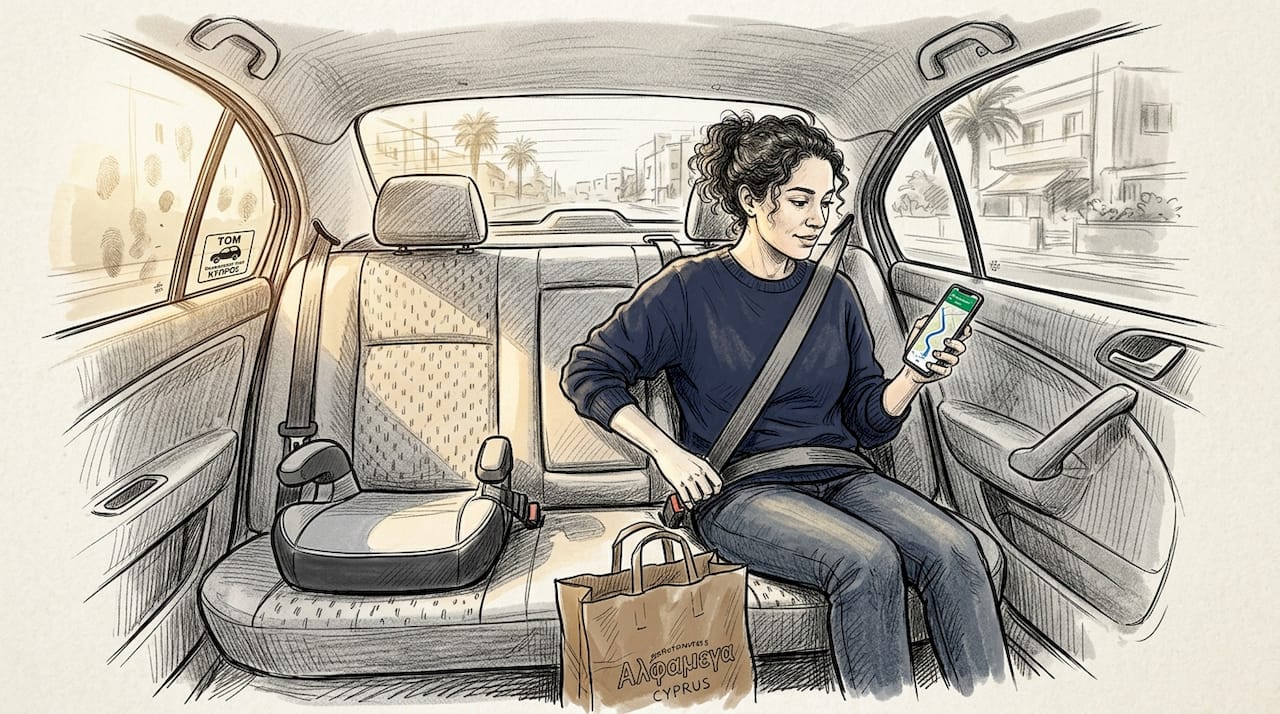
“Always wear your seatbelt from the moment you enter any vehicle. In Cyprus, this is a legal requirement for all passengers, not just front-seat occupants.”
For passengers, the simplest protective steps are consistent seatbelt use, requesting a child seat if travelling with young children, and booking safe taxis through verified channels rather than accepting unsolicited offers at tourist hotspots.
Upcoming 2026 reforms: What will change for passengers and drivers
Many improvements are already underway, but 2026 will be a landmark year for taxi safety in Cyprus.
The Cypriot government has announced a substantial overhaul of the taxi sector. The 2026 reforms include mandatory continuous professional driver training, a centralised digital monitoring platform, and significantly steeper fines for evasion. These changes are designed to close the gaps that pirate operators have exploited for years.
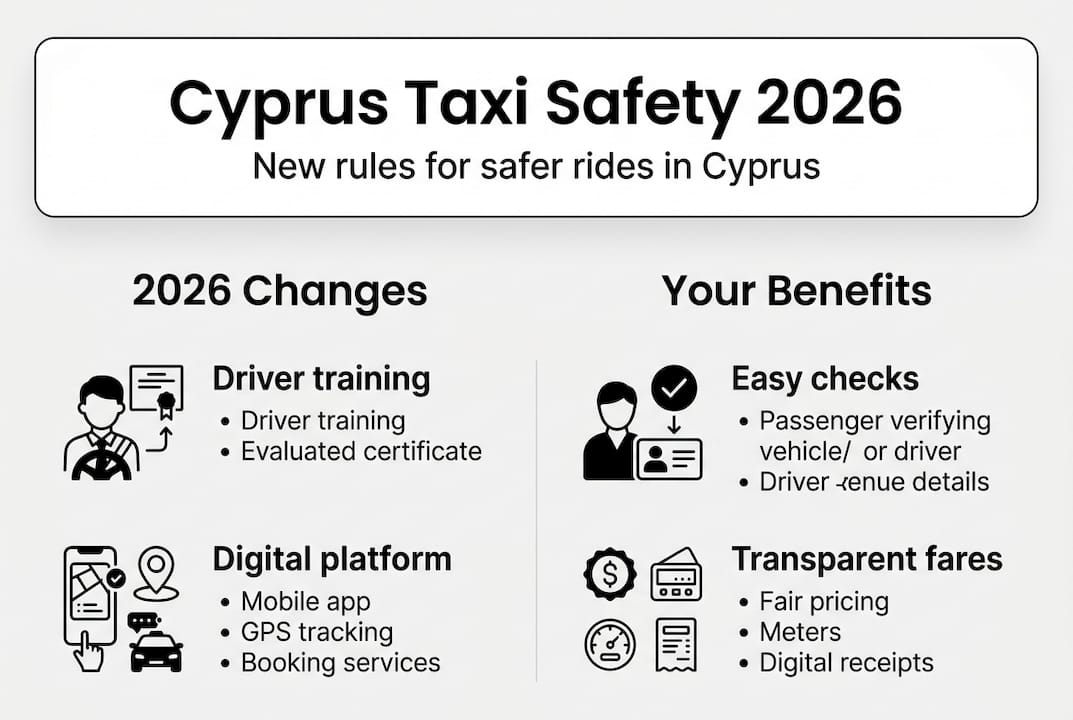
For passengers, the most immediate benefit will be transparency. The digital platform will allow you to verify whether a taxi is currently licensed before you board. This removes the guesswork that currently makes it difficult to distinguish a compliant vehicle from an illegal one, particularly in busy tourist areas.
| Reform | What it means for passengers | What it means for drivers |
|---|---|---|
| Digital monitoring platform | Easy licence verification in real time | Continuous oversight of activity |
| Mandatory driver training | More professional, safer service | Ongoing certification required |
| Steeper fines for evasion | Fewer pirate taxis on the road | Higher cost of non-compliance |
| Meter enforcement | Transparent, regulated fares | No flexibility to overcharge |
| Improved complaint process | Faster resolution for unsafe rides | Direct accountability for conduct |
Pro Tip: Bookmark the new taxi safety standards page so you can stay updated as the 2026 platform rolls out. Knowing where to verify a licence will save you time and stress at the airport or after a late-night event.
Corporate clients and travel agencies will also benefit. Verified, trained drivers reduce liability for companies arranging staff or client transport. The reforms effectively raise the floor for the entire industry, making it easier to identify providers who genuinely meet the standard.
A closer look: Why taxi safety is everyone’s responsibility
With these changes approaching, it is worth asking what truly makes travel safe for all involved.
Regulation alone does not create safety. Laws require enforcement, and enforcement requires resources that are always finite. The uncomfortable truth is that pirate taxis continue to operate precisely because passengers use them. Every time someone accepts a cheaper, unlicensed ride, they fund an operator who undermines the entire system.
Passenger behaviour matters more than most people acknowledge. Refusing illegal taxis, wearing seatbelts without being asked, and reporting unsafe conduct are not passive acts. They are direct contributions to a safer road environment for everyone, including other drivers and pedestrians. Corporate clients and travel agencies carry particular influence here. When businesses insist on high-standard taxi services for their staff and guests, they set expectations that ripple through the market. Operators who cannot meet those standards lose business. That is a more powerful incentive than any fine.
The 2026 reforms are a significant step, but they will only succeed if passengers actively engage with them. Check licences. Use official apps. Report problems. The system works when everyone participates.
Book a taxi with confidence in Cyprus
Ready to put your knowledge to use? Here is how to travel with full peace of mind.
At Taxi in Larnaca, every vehicle in our fleet is fully licensed, regularly inspected, and driven by trained professionals who understand what safe, punctual service actually looks like. Whether you need airport transfers in Finikoudes, a reliable partner for your travel agency through our best taxi services for travel agencies, or a premium vehicle for weddings and celebrations via our luxury taxi services for celebrations, we cover every journey with the compliance and care the 2026 standards demand.

Booking with us means you never have to guess whether your driver is insured, trained, or using a calibrated meter. Enquire today for regular, corporate, or special occasion transport across Cyprus.
Frequently asked questions
How do I check if a Cyprus taxi is properly licensed?
Look for the taxi licence displayed inside the vehicle and check for the TOM inspection sticker. You can also use official booking apps, which only list licensed and inspected operators.
What fines exist for using illegal ‘pirate’ taxis?
Passengers can face fines up to €700 for a first offence, while operators caught running unlicensed vehicles have faced fines exceeding €8,000 in recent enforcement operations.
Are there any special requirements for children in Cyprus taxis?
Children under 5 must travel in a child seat, and children aged 5 to 12 who are under 150cm require a booster seat. These are legal requirements in all taxis, not optional extras.
How often are Cyprus taxis inspected for safety?
Once a taxi reaches four years old, it must pass TOM inspections every two years to remain legally in service.
Will the 2026 reforms make it easier to book safe taxis?
Yes. The digital monitoring platform launching in 2026 will allow passengers to verify a taxi’s licence status in real time, making it far simpler to confirm compliance before boarding.